Marine Life in Fuerteventura
Marine life in Fuerteventura, from rock pools and coastal habitats to offshore species. Find the best places to see wildlife, when to visit, and essential safety tips for exploring the coastline.
 Luisa
Luisa

The waters around Fuerteventura are home to a rich variety of marine species, shaped by volcanic seabeds, sandy coastal plains and rocky reef systems. These habitats support everything from small invertebrates to large predatory fish, making the island one of the most diverse marine environments in the Canary Islands.
Rock pools and shallow coastal life
Rock pools and shallow coastal areas around Fuerteventura provide some of the easiest access to marine life. These environments are shaped by tidal movement and create small, sheltered habitats where a variety of resilient species can be observed without needing to enter deeper water.
These areas are ideal for beginners, families and anyone exploring the coastline during calm sea conditions.
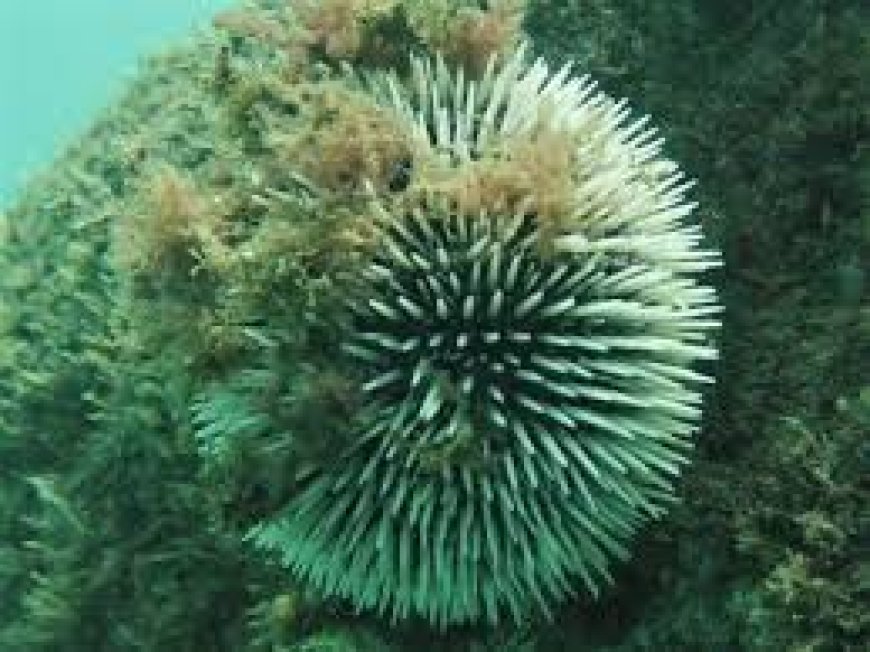
- Sea urchins in Fuerteventura
- Crabs and small coastal crustaceans
- Small coastal fish species
- Limpets and shellfish
Rock pools provide a unique opportunity to observe marine life without entering deeper water, especially during calm conditions.

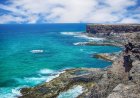
Rock pools along the Corralejo coastline in Fuerteventura revealed at low tide, creating natural habitats where small marine species can be observed in shallow water.
Reef and coastal fish
Reef and coastal fish are some of the most commonly observed species around the island. They inhabit rocky reefs, mixed seabeds and nearshore waters where food sources are abundant and shelter is available.
- Zebra sea bream in Fuerteventura
- Parrotfish in Fuerteventura
- Trumpetfish in Fuerteventura
- Wrasse species
- Red gurnard in Fuerteventura
- Canary damsel in Fuerteventura
- Ornate wrasse in Fuerteventura
- Small reef fish

Snorkelling in Fuerteventura’s clear Atlantic waters allows visitors to explore marine life close to the surface, with excellent visibility along the island’s coastline.
Reef and seabed invertebrates
The rocky reef and seabed environments around Fuerteventura support a wide range of invertebrate life. These species are often hidden within crevices, under rocks or attached to hard surfaces, making them less obvious than larger reef fish but an essential part of the ecosystem.
They play a key role in maintaining reef health and biodiversity, and are some of the most interesting species to discover while diving or snorkelling around the island.
- Brittle starfish in Fuerteventura
- Nudibranchs in Fuerteventura
- Christmas tree worms in Fuerteventura
- Sea urchins in Fuerteventura
- Sea Hare in Fuerteventura
- Small reef crabs and scavengers
Marine Life in Deeper Water
Beyond the shoreline, Fuerteventura’s coastal waters support a wide range of marine species found over sandy seabeds, reefs and deeper coastal zones. These species are most commonly observed while snorkelling or diving in clear offshore waters.
Sharks and rays
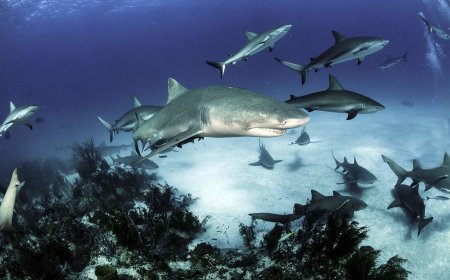
Fuerteventura is home to several species of sharks and rays adapted to life along sandy seabeds and coastal shelves. Many of these species are bottom dwelling and are more commonly encountered by divers rather than snorkellers due to their habitat depth and behaviour. These species are not considered dangerous to humans and are rarely encountered up close.
Pelagic and offshore species
Beyond the reefs and seabed, the open waters around Fuerteventura are home to larger and more mobile marine species. These pelagic animals travel across wide areas of the Atlantic and are most often encountered offshore during boat trips or in deeper diving locations.
Although sightings can be less predictable, these species are often among the most memorable encounters due to their size and behaviour.
- Ocean Sunfish in Fuerteventura
- Barracuda in Fuerteventura
- Jellyfish in Fuerteventura
- Dolphins and whales
- Other offshore species
Marine Habitats Around the Island
Different parts of the coastline offer different conditions for marine life.
-
Rocky shores – home to sea urchins, crabs and small fish
-
Sandy areas – often support buried species and rays
-
Reefs and volcanic formations – attract a variety of fish and predators
Understanding these habitats can help when looking for specific species.
When to See Marine Life
Marine life can be seen throughout the year in Fuerteventura. Calm seas and clear water improve visibility, making it easier to spot different species.
Early morning and quieter areas often provide the best conditions, especially in popular coastal locations.
Safety and Respect
When exploring marine environments, it is important to avoid disturbing wildlife and to take care in rocky areas. This includes being aware of hazards such as sea urchins, uneven ground, and delicate marine life, and taking appropriate precautions when entering the water or exploring rock pools. For full guidance on safe practices, see our Rock Pool Safety Guide.
Exploring Fuerteventura’s Coast Safely
Fuerteventura offers a rich variety of marine life and coastal habitats, making it an ideal destination for exploring both rock pools and open water environments. Whether you are observing small species along the shoreline or encountering larger marine life further offshore, taking time to explore responsibly will help protect these natural spaces for the future. For more information, For more detailed guidance, see our Rock Pool Guide and our advice on what to do if you get stung.