History and Folklore of Fuerteventura
Explore the history and folklore of Fuerteventura, from early inhabitants and cultural heritage to local legends, traditions and stories.
 Luisa
Luisa

The story of Fuerteventura is shaped by both recorded history and traditions passed down over time. From its earliest inhabitants to more recent influences, the island’s past can still be seen in its towns, customs and everyday life.
This history is still visible today in places like inland towns such as Antigua, traditional windmills and cultural sites across the island.
This page brings together different aspects of Fuerteventura’s history and folklore, offering a broader view of how the island has developed and how its identity continues to be shaped.
Explore more
-
History of Fuerteventura - complete guide
- The Majos of Fuerteventura – the island’s first inhabitants
-
Local traditions and folklore
Early inhabitants and origins
Before Spanish conquest, Fuerteventura was home to the Mwindmills, whose lives were closely connected to the land and its resources.
The Majos were the original inhabitants of Fuerteventura, whose way of life shaped much of what can still be seen in the island’s inland culture today.
Spanish conquest and settlement
The arrival of European settlers marked a significant turning point in the island’s history, bringing new influences that shaped the development of Fuerteventura.
Rural life and traditions
For much of its history, life on Fuerteventura was based around agriculture and livestock, particularly goats. This way of life has left a lasting influence on the island’s culture, food and traditions.

Goats roaming the landscape reflect the island’s long tradition of farming and rural life.
Cultural figures and heritage
Fuerteventura has been home to notable cultural figures, including Miguel de Unamuno, whose time on the island remains an important part of its story.
-
Miguel de Unamuno – A notable writer in exile
A Spanish writer and philosopher who lived on the island during his exile, leaving a lasting cultural connection to Fuerteventura.
-
Doctor Mena – A figure in local medical history
A respected local doctor whose former home is now a museum, offering insight into healthcare and daily life in the past.
-
Gustav Winter – A figure surrounded by mystery
A controversial and often debated figure, associated with local stories and speculation about the island’s past.
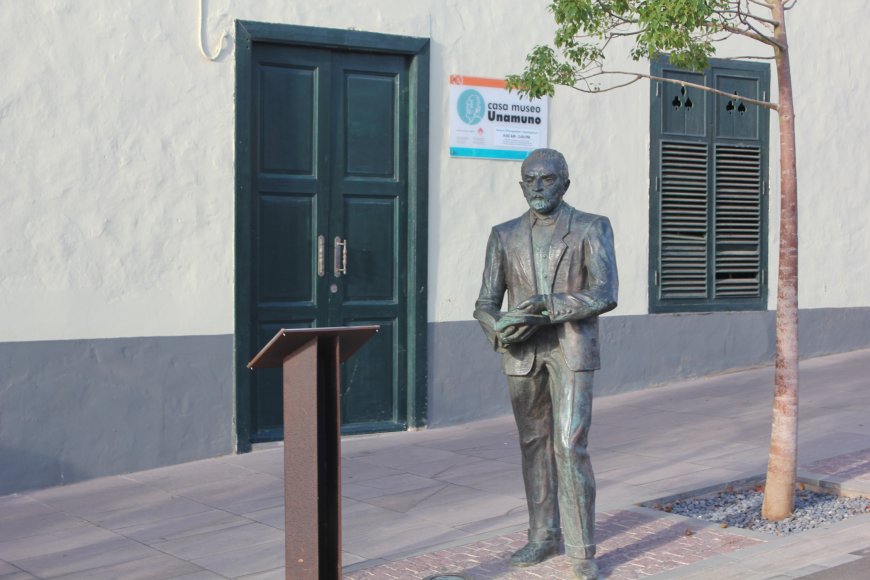
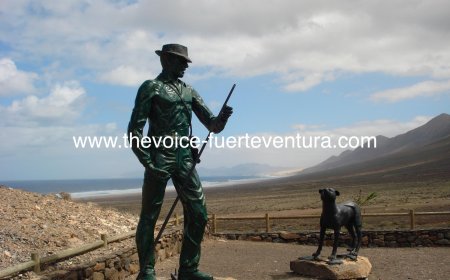
The statue of Miguel de Unamuno marks an important cultural connection to the island’s history.
Museums and heritage sites
Museums and heritage sites across Fuerteventura provide a way to explore the island’s history and culture in more detail.
These spaces offer insight into local traditions, historical events and important figures, helping to connect the past with the present.
-
A museum and historic salt production site showing how sea salt has been harvested on the island for generations. Visitors can explore the salt pans, learn about traditional methods and see exhibits related to coastal life.
-
A small museum set in the former home of Doctor Mena, offering insight into healthcare and daily life in Fuerteventura in the past, including original furnishings and medical equipment.
-
Poblado de la Atalayita
An archaeological site with restored stone dwellings, showing how the island’s early inhabitants lived. It offers a simple but interesting look at traditional construction and daily life in Fuerteventura’s past.
-
Centro de Interpretación de los Molinos
A small museum focused on the island’s traditional windmills, explaining how they were used to grind grain and support everyday life in Fuerteventura.
-
Casa Museo Unamuno
The former home of writer Miguel de Unamuno during his exile on the island, now a small museum exploring his life and connection to Fuerteventura.
-
Museo Arqueológico de Fuerteventura
A museum focused on the island’s early history, with exhibits on the Maho people, archaeology and ancient artefacts discovered across Fuerteventura.
-
A museum dedicated to the island’s famous goat cheese, explaining traditional farming methods, local breeds and the cheese-making process. It also includes restored windmills and outdoor exhibits.
-
Ecomuseo de la Alcogida
An open-air museum made up of traditional houses, showing how people lived in rural Fuerteventura in the past. It offers a practical insight into daily life, farming and crafts.
-
Museo del Grano “La Cilla”
A small museum dedicated to grain storage and agriculture, showing how crops were collected, stored and used in traditional life on Fuerteventura.

The whale skeleton at Salinas del Carmen adds a striking visual element to the island’s coastal heritage site.
Towns and historical places
Many towns across Fuerteventura reflect different stages of its development, from older settlements to more modern centres.
Places such as Puerto del Rosario show how the island has grown into its current role as both a community and a destination.
-
Betancuria – The island’s first capital
A historic village that served as the island’s original capital, known for its traditional architecture and strong connection to Fuerteventura’s early history.
-
Tefía – A quiet inland village
A small rural village reflecting traditional life in Fuerteventura, with links to agriculture and the island’s past communities.
-
Antigua – A traditional inland town
A town with strong agricultural roots, known for its windmills and connection to farming traditions on the island.
-
La Oliva – A historic administrative centre
Once an important centre of power, La Oliva is linked to the island’s former rulers and historic governance.
-
Pájara – A town with unique architectural heritage
Known for its distinctive church and historical details, Pájara offers insight into the island’s cultural and architectural past.
-
Ajuy – A coastal village with geological significance
A historic fishing village known for its caves and black sand beach, offering a glimpse into the island’s natural and geological history.

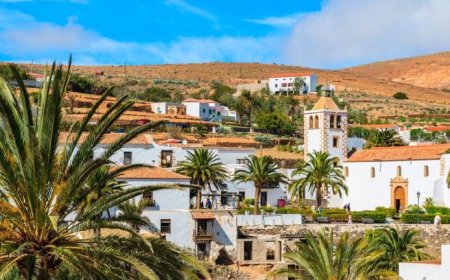
Narrow streets and traditional wooden balconies reflect the historic character of Betancuria.
Folklore and local stories
Alongside recorded history, Fuerteventura has a strong tradition of folklore, with stories, legends and beliefs passed down through generations.
-
Villa Winter – A building surrounded by mystery
A remote villa linked to stories, speculation and local legends, making it one of the island’s most talked-about and intriguing historical sites.
-
Tindaya – A mountain of myths and legends
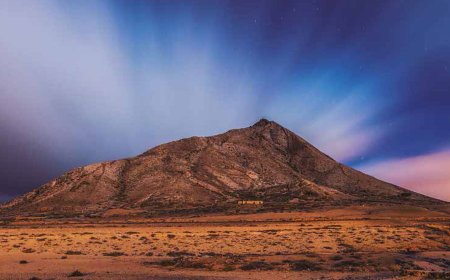
Known for its cultural and spiritual importance, Tindaya is linked to stories, beliefs and traditions passed down over generations.
-
Tibiabín and Tamonante – Wise women of the Maho people
Two influential women in pre-conquest Fuerteventura, believed to have acted as spiritual figures and advisors, guiding traditions and decisions among the island’s early inhabitants.
These stories offer a different perspective on the island, reflecting how people have understood and experienced life here over time.
Festivals and traditions
Many traditions are still celebrated today through local events and festivals, connecting the island’s past with the present.
These include:
-
A lively annual celebration with parades, costumes and music, bringing communities together across the island.
-
A symbolic event marking the end of Carnival, where a sardine effigy is burned in a festive and often humorous ceremony.
-
Fiesta del Carmen
A traditional coastal festival honouring the patron saint of fishermen, often featuring processions by sea and local celebrations.
Many of these traditions continue to influence everyday life on the island.
Cultural Legacy
Elements of this early history are still present in Fuerteventura today, from traditional windmills and farming practices to local foods such as Majorero cheese and gofio.
A living history
The history and folklore of Fuerteventura are not only found in the past but continue to shape the island today. From the Majos, traditions and celebrations to everyday life, these influences remain an important part of its identity.