Betancuria, Fuerteventura: The Island’s Historic Heart
Discover Betancuria in Fuerteventura, the island’s historic former capital, known for its church, museums and peaceful mountain setting.
 Luisa
Luisa

Betancuria is one of the most important and historic places on the island, set in a sheltered valley in the centre of Fuerteventura.
As the island’s former capital, founded in the early 15th century, it remains a place where history, culture and traditional architecture come together.
Arriving in Betancuria
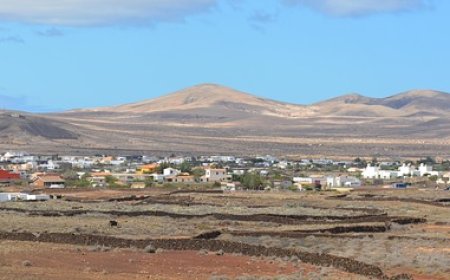
Reaching Betancuria involves a scenic drive through the island’s interior, with mountain views that make the journey just as enjoyable as the destination.
The road includes some winding sections and mountain passes, which can feel narrow in places, but it is well maintained and the views along the way make it worthwhile.
Many visitors stop along the route at viewpoints such as Mirador de Morro Velosa, which offers panoramic views across the island, or to take photos with the nearby Ayose and Guise statues, representing the island’s pre-Hispanic kings.
Despite its central location, the village feels remote and peaceful, offering a contrast to the busier coastal resorts.
As well as arriving by car, Betancuria is also a popular destination for walkers, with a number of marked routes crossing the surrounding hills and valleys. Many organised walking groups include the village as a stop, making it a great place to pause and take in the scenery.

Walking routes from Betancuria, with views across the island’s mountainous interior.
The history of Betancuria
Founded in 1404 by Jean de Béthencourt during the Castilian conquest of the Canary Islands, Betancuria became the island’s first capital and remained so for several centuries.
Before this period, the island was home to the Majos, pronounced “Mahos” whose presence shaped much of its early history.
Its inland position was chosen for protection from pirate attacks, although it was not always spared. In 1593, the town was attacked and heavily damaged during a raid that affected much of the island.
Today, Betancuria stands as a reminder of Fuerteventura’s early history and the beginnings of European settlement.
Streets of Betancuria
The streets of Betancuria are narrow and lined with traditional whitewashed buildings, giving the village a timeless and well-preserved feel.
Palm trees and small details add character throughout, and it is easy to wander through the quiet lanes and imagine what life here would have been like centuries ago.

Traditional streets in Betancuria, with whitewashed buildings and wooden balconies.
Santa María Church
At the centre of the village stands the Church of Santa María, the most important religious building in Betancuria.
Originally constructed in the 15th century, the church has been rebuilt and restored over time, particularly after the events of 1593. Its simple exterior gives little hint of the detail and craftsmanship found inside.
Inside Santa María Church
The interior of the church in Betancuria is rich in detail, with ornate altarpieces, religious artwork and traditional wooden features reflecting its long history.
Take time to explore the main altar, side chapels and decorative elements, all of which add to the atmosphere of this historic building.

Inside Santa María Church in Betancuria.

Statue of Christ above the main altar in Santa María Church in Betancuria.
Museums and heritage
Betancuria is also home to several small museums that help tell the story of the island, including collections of archaeology, traditional life and religious art.
These add further context to a visit and make the village more than just a scenic stop.
Village life in Betancuria
The village itself is quiet and well preserved, with narrow streets, whitewashed buildings and a relaxed atmosphere.
There are a number of small cafés and restaurants where you can stop for a drink or something to eat, making it a pleasant place to spend time exploring at a slower pace.
Exploring from Betancuria
Betancuria is well placed for visiting other parts of the island, including inland villages such as Pájara, Tetir and Tefía.
It is also within easy reach of the west coast and places such as Ajuy, known for its dramatic cliffs and caves.
Visiting Betancuria
A visit to Betancuria offers a deeper insight into the history of Fuerteventura, away from the beaches and resorts.
Whether you come for the architecture, the museums or simply the peaceful setting, it is a place that rewards a slower pace and a closer look.
Each year, the nearby valley becomes the focus of the Romería de la Virgen de la Peña, Fuerteventura’s most important pilgrimage, drawing visitors and locals alike to the area.