Origins of Carnaval in Fuerteventura, Canary Islands
Fuerteventura is a predominantly Catholic Island and the locals truly embrace the Holy festivals. One such event that is enjoyed by everyone, is the time leading up the forty days of Lent, known here as Carnaval.
 Luisa
Luisa
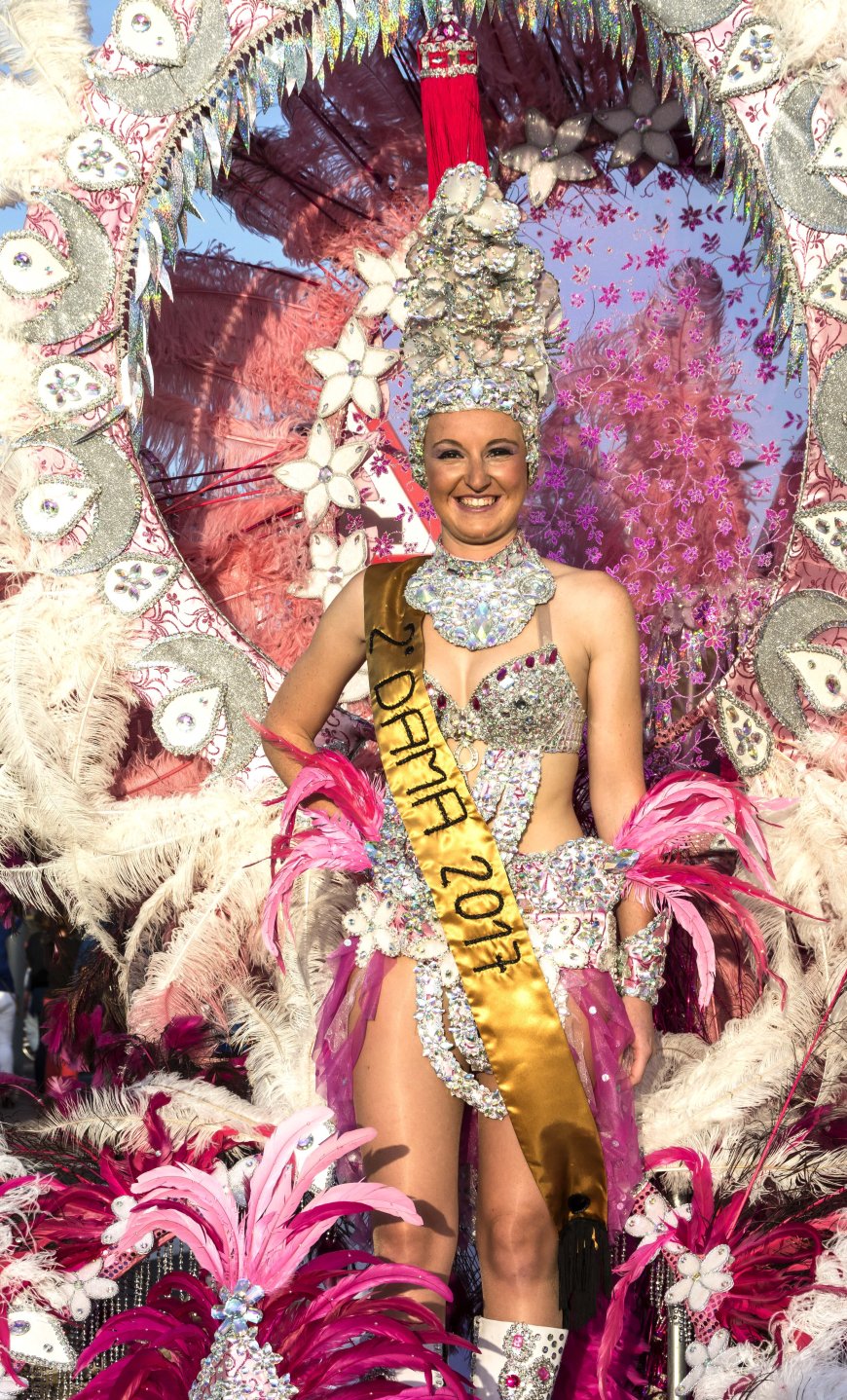
Fuerteventura is a very popular destination for those seeking some winter sunshine, but it is also a place to party. And there is one particual time of year where everyone gets involved and that is Carnaval or Carnival time.
IT’S CARNIVAL TIME!
Carnival period begins after the Epiphany (Kings Day) and culminates on the day before Ash Wednesday, otherwise known around the world as Shrove Tuesday, Pancake Day or ‘Mardi Gras’ which is French for Fat Tuesday.
Quadragesima or Lent, is the period of fasting that signifies the time Jesus spent in the dessert, before beginning his public ministry. In most western denominations it runs from Ash Wednesday to Maundy Thursday or Easter Eve. It is a time to give up luxuries and confess your sins, however, rather than whipping up a few pancakes like we do in the UK, here in the Canaries a whole week of celebrations, over-indulging and partying ensues, culminating in huge street parades and drawing people from all over the world.
FAREWELL TO FLESH
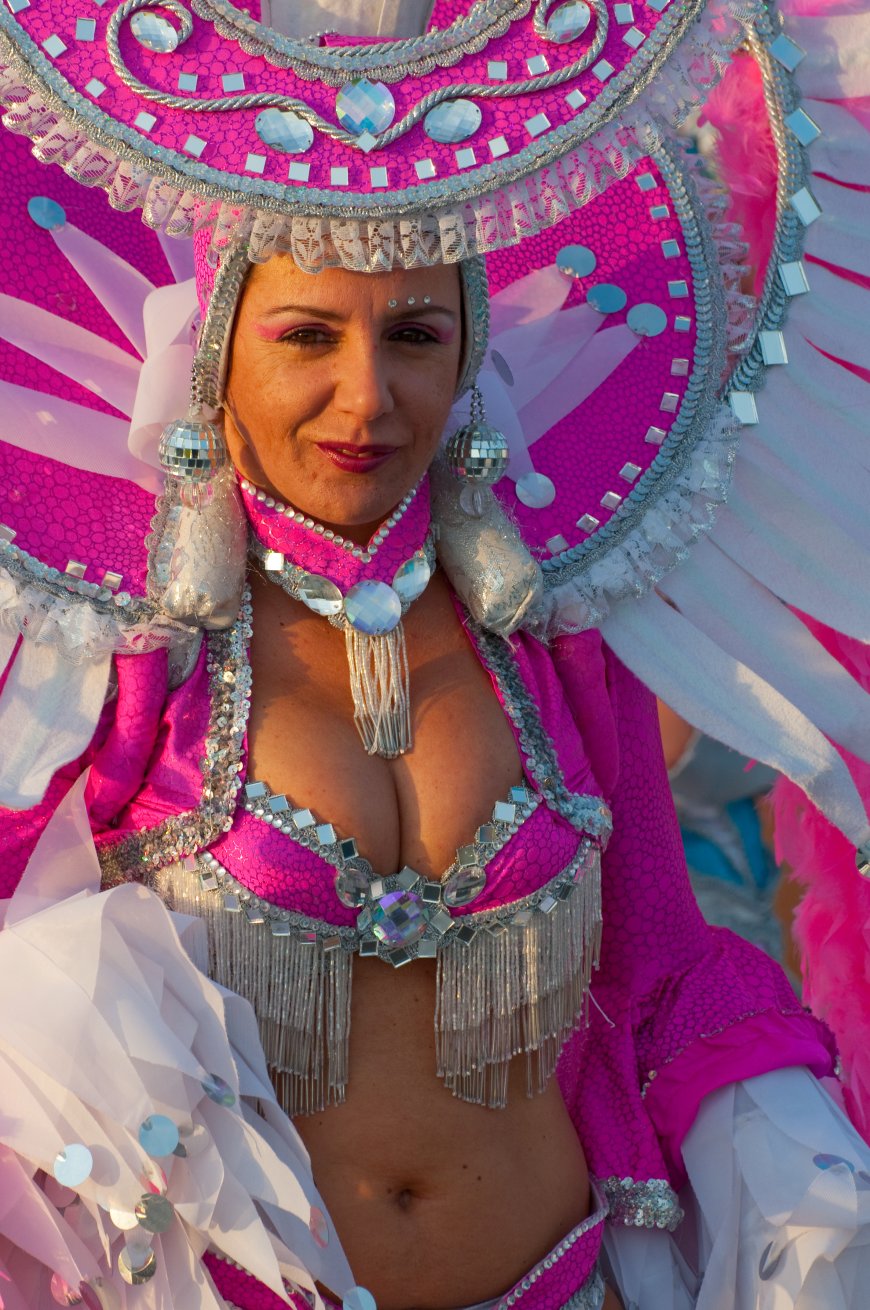
The origin of the word Carnival is constantly debated. Some scholars believe it comes from either the Roman based Italian translation of ‘carne levare’ which means to remove meat or ‘carne vale’ from the traditional Latin language meaning ‘Farewell to meat’. However, in the second context the word ‘Carne’ could also refer to ‘a farewell to flesh’ meaning letting go of oneself and embracing a carefree nature. This is the more popular interpretation and seen as a time when you can party and let your hair down.
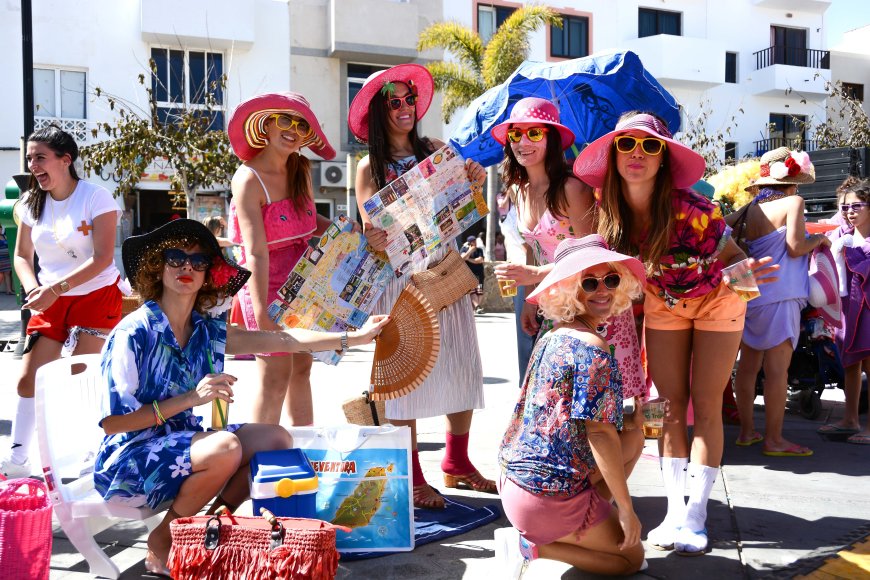
This is more than apparent in some of the wilder and rather risqué costumes on display. However, this frivolity is only allowed during the Carnival period and once the Sardine is put to rest, it is back to normality and abstaining for lent.
CARNIVAL FLOATS
Carnival possessions and highly decorated floats have been used in celebrations since ancient times. But the word float is a strange word to use, when the actual carriage travels through the roads on wheels and does not “float” at all. Some scholars believe that it is the original roman name for a float, that gave carnival its name and that it has nothing to do with giving up meat or Christianity at all.
THE GODDESS ISIS
Before Christianity took hold, the Romans worshipped many different Gods or Deities, as did the Greeks and the Egyptians. One of those was the Goddess Isis who was first worshiped in ancient Egypt, then later throughout the Roman Empire and the greater Greco-Roman world. She was worshipped as the perfect wife and mother, goddess of nature and magic and a friend of slaves, sinners, artisans and the poor. She also listened to prayers from the wealthy, unmarried maidens, rulers and aristocrats so keeping her appeased was paramount to all walks of life in ancient Rome.
CARRUS NAVALIS
Appeasing the gods was a huge affair, so they gave Isis her own festival, held on the first full moon after the spring equinox (early March) called Navigium Isidis. The celebration began by feasting, music and dance, then a huge procession where the priests would carry the statue of Isis, from the temple. Some of people in the procession wore masks, such as the mask of Anubis - the guardian of the afterlife. The statue was carried through the streets, to the coast, where it was placed aboard an elaborate wooden boat. The boat was highly decorated and laden with fresh flowers and offerings. Once the statue was aboard, she was taken out to sea, to sanctify the waters and celebrate the beginning of the sailing season. Her special boat was called “carrus navalis”, which is where scholars believe we get the word Carnival from. And they also think, where we get the word “float” from too, in reference to the floating vessel in which she was carried.
CARNAVAL DATES
Understanding what is going on and where in Fuerteventura during Carnival can be confusing for holiday makers, so let me try and explain how it works. The island has amazing first responders and rescue services, but when it comes to massive gatherings, it is also better to err on the side of caution where safety is concerned, so here in Fuerteventura they stagger the main parades across the island, so there are plenty of services on hand, if needed.
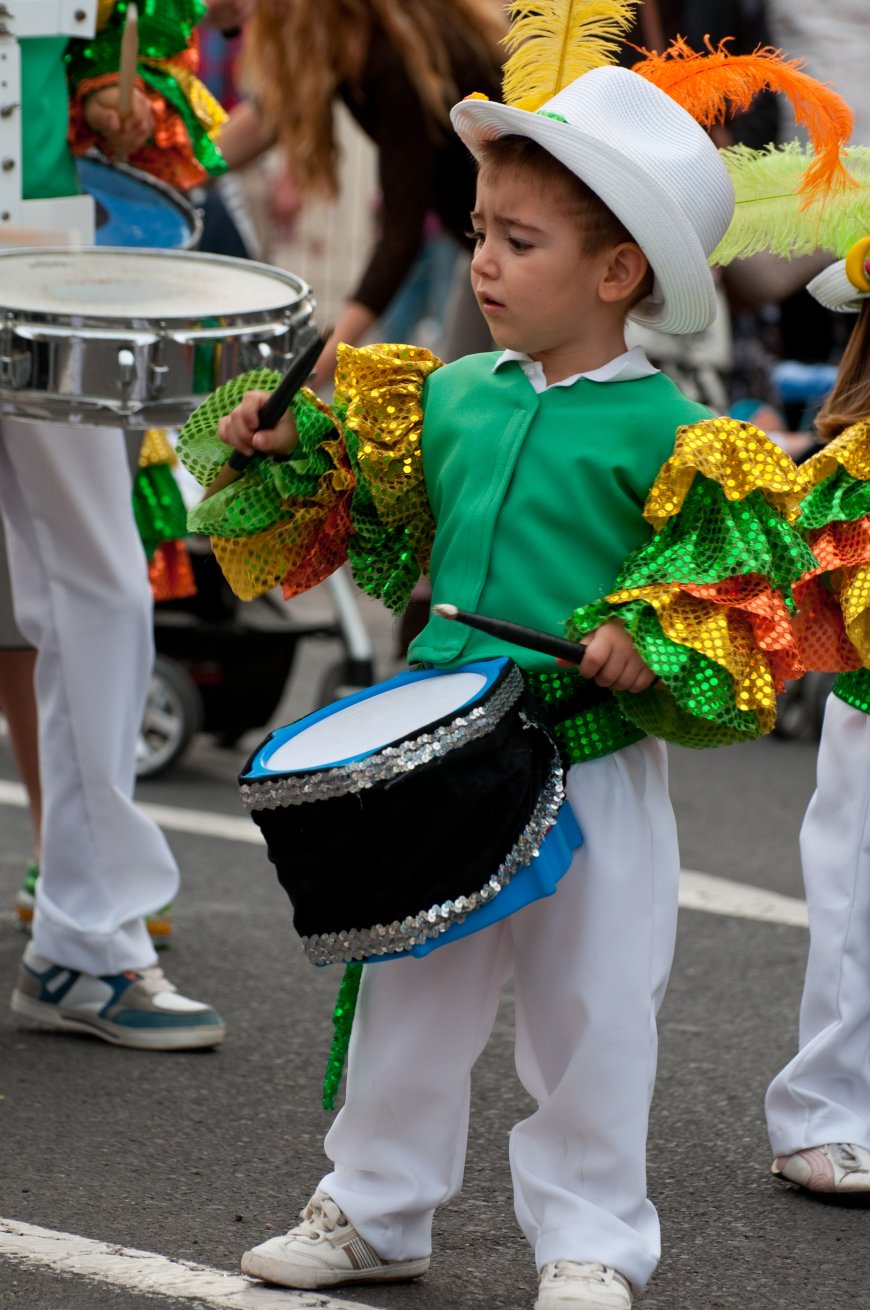
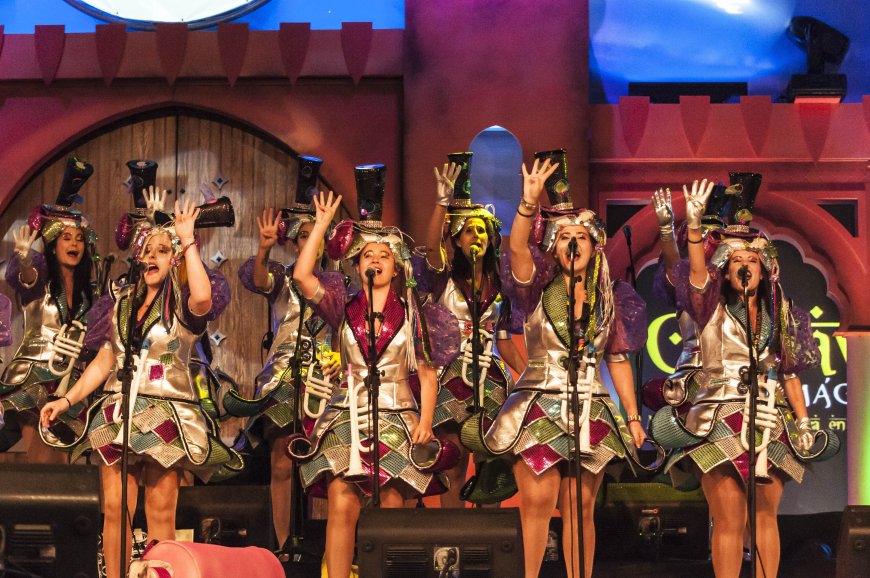
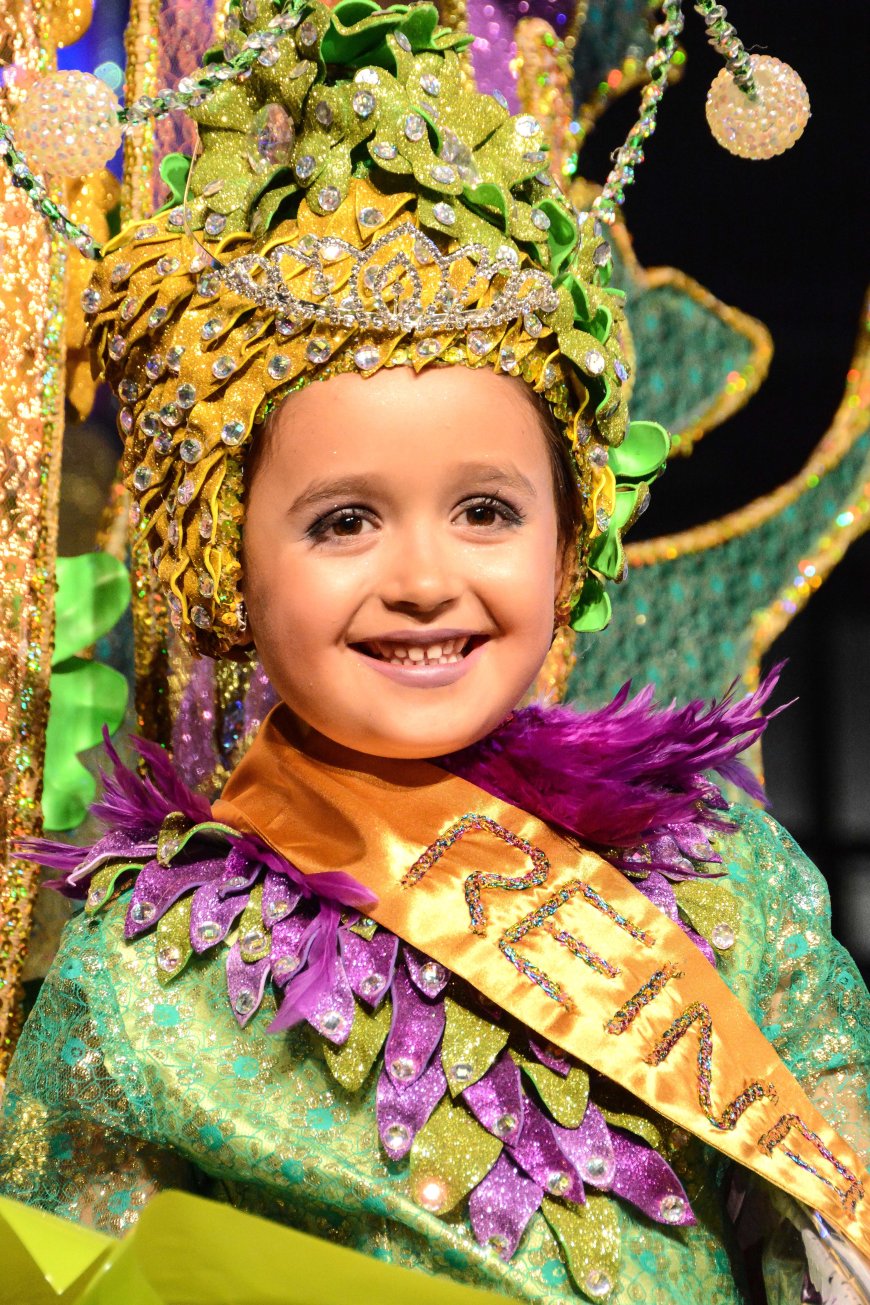
So you know what is going on each main municipality ( local authority ) produces its own posters, adverts and social media posts which lists all the events that are taking place that week. These range from daytime actvities for children, as well as lots of evening entertainment including dancing, live music, shows, competitions for Carnival Drag Queen and also the Carnival Queen etc. etc.
CARNIVAL THEME
Each municipality also choses it own Carnival Theme. This can be anything from Westerns and Ancient Civilisations to Outer Space, Under the sea, movies and cartoons... literally anything! and the accouncement of what the theme is, is always something that everyone looks forward to... as you can finally start preparing your costumes and floats ready for the main parade day.
PARADE DAY
This is the big parade that everyone looks forward to and it usually takes place on a Saturday. However, as there are lots of parades and Carnival events taking place at staggered times all across the island, you may be able to enjoy two or even three, depending on your stay. The dates do change in line with Easter each year, so keep an eye out for the local posters!! That way, with a bit of planning and a lot of face paint, you can literally party for almost a whole month!
Carnaval is fun and everyone can get involved, even if you are only visiting for a week or two. The local shops sell costumes, masks, face paints and pretty much everything you need to join in, and you will be made 100% welcome by everyone... so check the local posters for all the events taking place and join in the fun. It really is a great time to visit, so get involved and make some memories.
Oh and just when you are all partied out and it's time to celebrate the end of Carnival... Look out for the Burning of the Sardine, which is another excuse to party... and only once that is over and the sardine laid to rest... is Carnival really over.
Have Fun!