The European Robin
Fuerteventura Fauna: A closer look at the European Robin that lives in the Canary Islands.
 Luisa
Luisa
The European Robin or 'Erithacus rubecula'
An Article by DaveG with The Voice Fuerteventura
What better time of the year to talk about this little much loved garden bird which has adorned Christmas cards and winter scenes for many years.
Robins seen here on Fuerteventura or Lanzarote are migrating European robins, but in Gran Canaria and Tenerife they are resident. Although very similar in appearance these are two separate species to their European cousins.

WHAT TO LOOK FOR
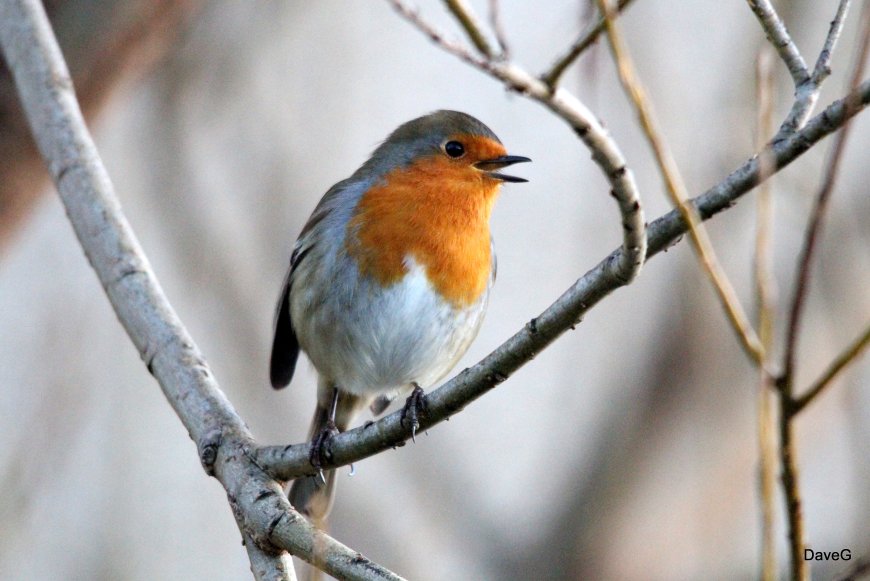
The Robin is a plump bird with a bright orange-red breast, face, throat and cheeks edged with grey, a white belly and olive-brown upper parts. We also know it as ‘Robin-redbreast’. They have a brown bill and legs. The male and female are very similar.
THE YOUNG ONES
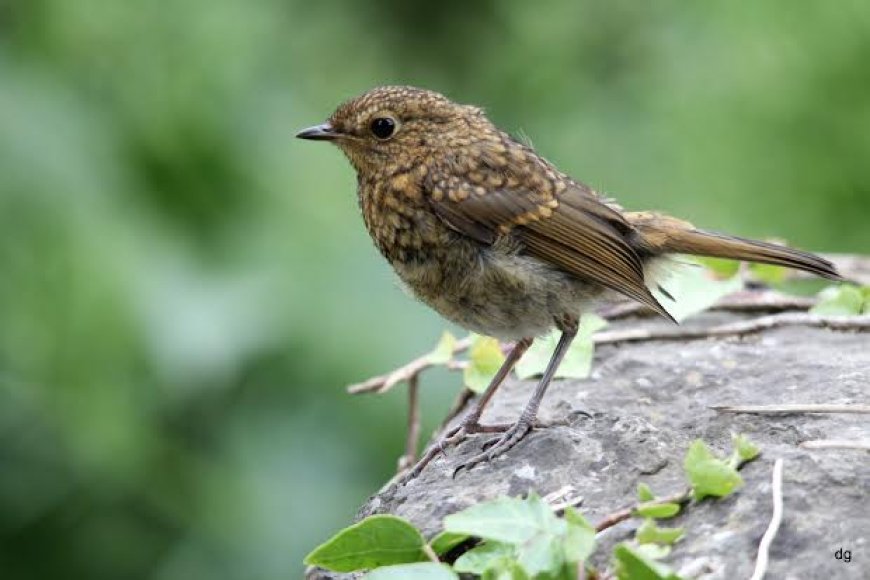
The juvenile Robin has speckled buff-brown upper parts and underparts. Juveniles have no red feathers so that adult birds do not attack them in territorial disputes. The eggs of a Robin are pale blue or white with some brown-reddish spots. The American Robin lays very distinctive blue coloured egg which has become a well-known colour called ‘robin egg blue’.
BEHAVIOUR
Well known to British and Irish gardeners, it is relatively unafraid of people and drawn to human activities involving the digging of soil, in order to look out for earthworms and other food freshly turned up. Indeed, the robin is considered to be a gardener’s friend and for various folklore reasons the robin would never be harmed. At times they can be heard singing their melodious warbling song from strategic perches, often quite high up; it sounds like “twiddle-oo, twiddle-eedee, twiddle-oo twiddle”. In the winter, it can sound wistful, some say mournful, but around Christmastime the song becomes stronger and more passionate.
DIET
The Robin’s diet is principally insects and worms, which it will normally catch by swooping, that is to say, snatching its prey on the ground after watching for movement from a perch above. They have been known to eat seeds and cake from the hand.