Staying Safe in the Water in Fuerteventura
Stay safe in the water in Fuerteventura by learning how to spot rip currents, understand ocean conditions and choose the safest beaches to swim.
 Luisa
Luisa
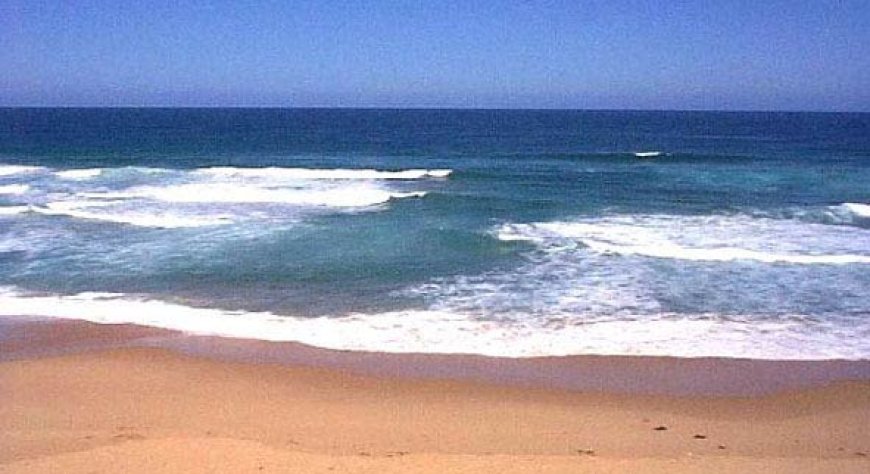
Fuerteventura lies in the Atlantic Ocean and is well known as a top destination for water sports, thanks to its strong winds, powerful waves and excellent surf conditions.
While these conditions attract visitors from all over the world, they also mean it is important to be aware of the sea and take care when entering the water. Some of the strongest currents can occur close to the shore.
If you are planning your visit, see our guide to the best beaches in Fuerteventura to find safer and more suitable places to swim.
Rip Currents and Rips
A rip current, often called a rip or riptide, is a strong and narrow flow of water moving away from the shore.
They usually form in areas where there are gaps in sandbanks or near rocks, caves and other natural features. These currents can occur on many beaches and are not always easy to predict.
Some rips appear in the same place regularly, while others can form suddenly, so it is important to stay aware of your surroundings.
How Rip Currents Form
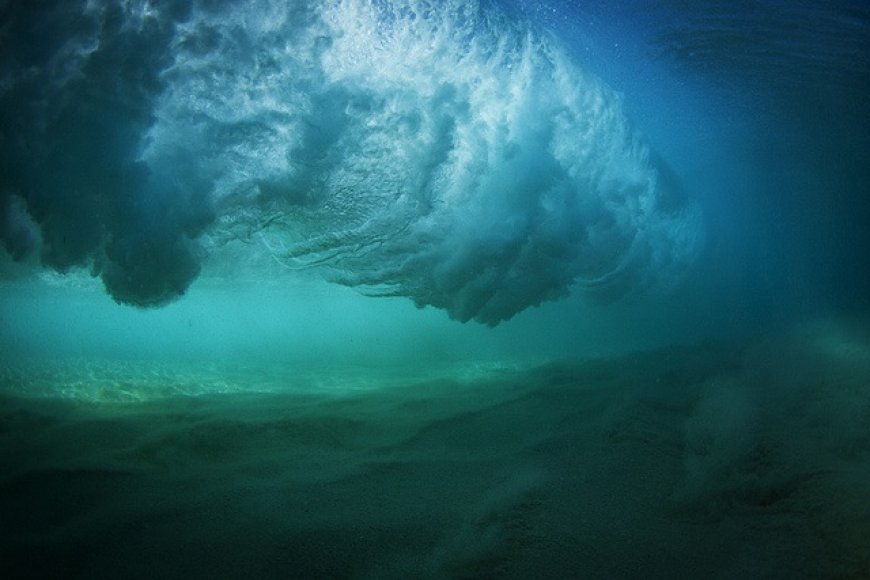
Rip currents form when waves push water towards the shore. This water then needs to flow back out to sea.
It moves along the shoreline until it finds a path back out, creating a strong current that flows directly away from the beach.
Once the current reaches deeper water beyond the breaking waves, it begins to lose strength.
How to Spot a Rip Current
Rip currents can often be identified if you know what to look for.
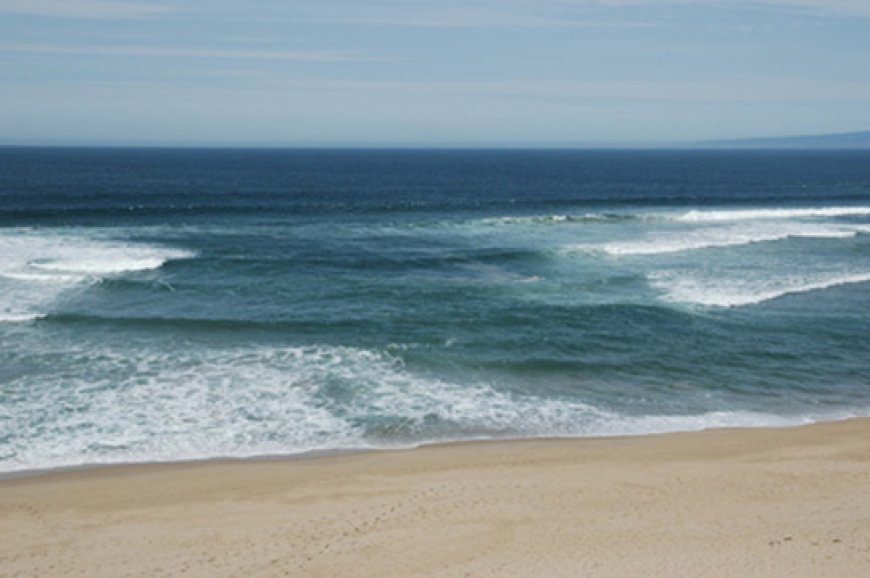
They may appear as a channel of water moving away from the shore, sometimes darker or more cloudy than the surrounding sea.
You might also notice an area where the waves are not breaking, creating a flat or calmer-looking section of water. This can be misleading, as it is often where the rip current is strongest.
What to Do if You Are Caught in a Rip
Rip currents are one of the most common causes of rescues on beaches.
If you are caught in one, it is important to stay calm and avoid trying to swim directly back to shore against the current.
Instead, swim parallel to the shoreline until you are out of the current, then make your way back to the beach.
If you are unable to swim out, float if possible and raise your arm or call for help.
Staying Safe
Although rip currents can sound dangerous, they can be avoided by taking simple precautions.
Always pay attention to beach flags and safety signs. Avoid swimming alone and be cautious in unfamiliar areas.
From experience, it is often the calmer-looking areas of water that can be the most dangerous, so it is important not to assume that flat water is always safe.
Beach Safety Flags
Beach flags are used across Fuerteventura to show sea conditions and should always be followed.
Green flag means it is safe to swim.
Yellow flag means swim with caution.
Red flag means do not enter the water.
Helping Someone in Trouble
It is not always easy to spot someone in difficulty in the water.
Signs can include struggling to stay afloat, little forward movement, or a tilted head with the mouth close to the water.
If you see someone in trouble, call a lifeguard or emergency services on 112.
If possible, throw a floating object towards them and encourage them to swim parallel to the shore.
Do not enter the water to help unless you are trained, as you could also be caught in the same current.
Final Thoughts
Fuerteventura offers some of the most beautiful beaches in Europe, but the ocean should always be respected.
Understanding how rip currents work and knowing how to react can make a big difference and help you enjoy the island safely.
For more information on where to swim safely, see our guide to the best beaches in Fuerteventura.